When you partner with Supply Technologies, you get tailored, end-to-end solutions. We do so much more than simply supply custom assembly components and fasteners — we implement solutions that hold entire supply chains and production together.
If you are involved in global manufacturing or supply chains, chances are you have heard the term General Rate Increase, or GRI. It is a phrase that appears regularly in freight announcements and carrier updates, yet its real-world impact is not always fully understood.
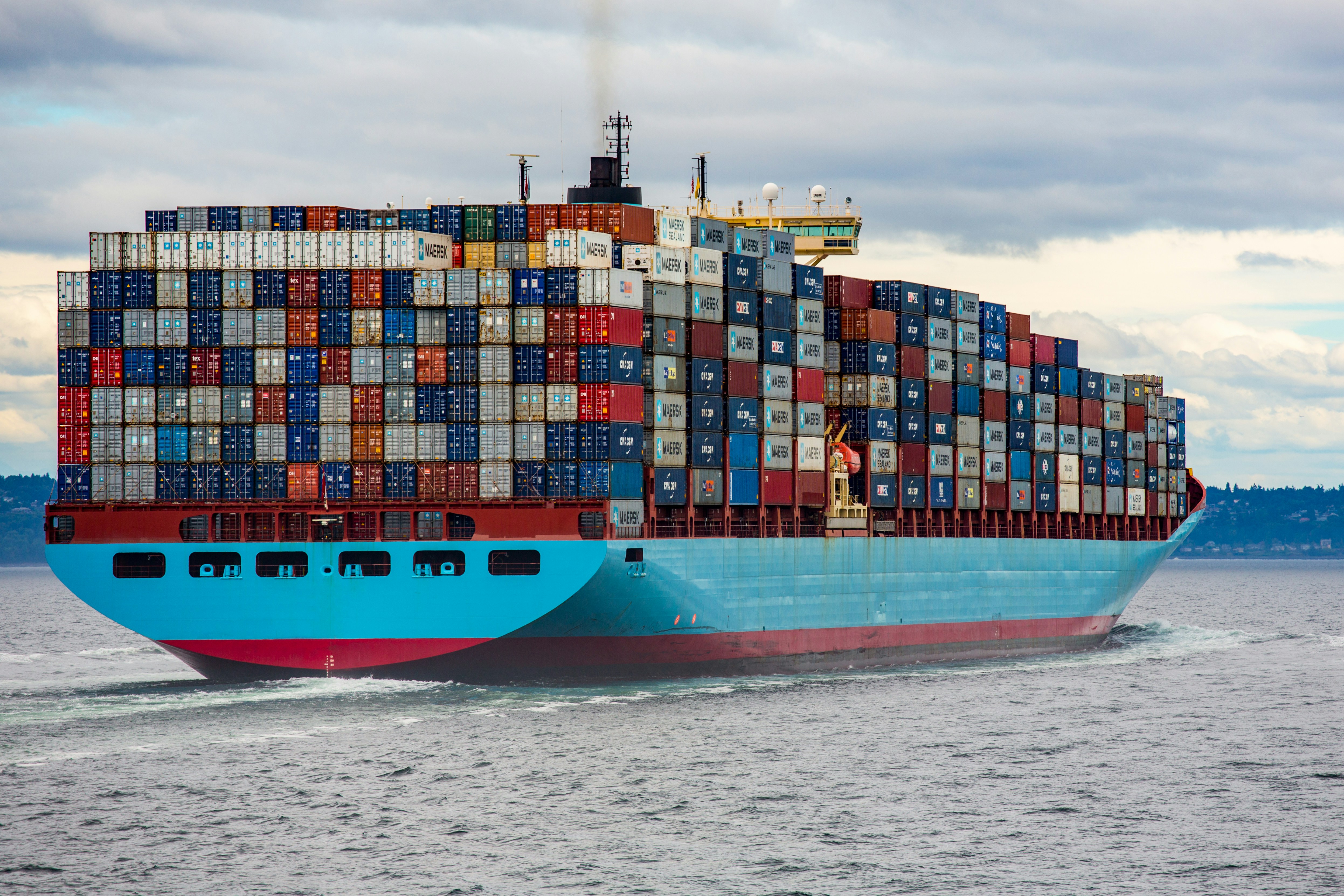
A GRI is an increase applied by ocean carriers to the cost of moving goods by sea. It is introduced to help shipping lines offset operating costs and adjust for market conditions. Unlike short-term spot rate changes, GRIs are formally announced in advance and applied across global shipping networks rather than a single route or shipment.
Why GRIs are still happening today
Before COVID, ocean freight rates were relatively stable and fluctuated within a narrow range. During the pandemic, demand surged, capacity tightened and freight costs rose dramatically. While conditions have since normalized, the shipping market remains volatile.
Today, global demand for ocean freight is lower, while capacity continues to increase as the new vessels ordered during COVID come into service. At the same time, carriers are seeking to maintain sustainable operating margins. In this environment, GRIs are being used to balance supply, demand and long-term operating costs, even when vessel space appears readily available.
How GRIs affect shippers and landed costs
For shippers, the biggest challenge with GRIs is timing and unpredictability. If freight is already loaded onto a vessel when a GRI takes effect, pricing is locked in. If it is not, costs can increase quickly, even if the product has already left the factory.
These changes directly impact landed cost calculations and, in extreme cases, can influence customer pricing. When freight rates fluctuate within a small tolerance, the impact is minimal. When they move beyond that range, shippers are forced to reassess costs and margins at short notice.
How Supply Technologies helps manage GRI impact
At Supply Technologies, our role is to manage this complexity on behalf of our customers. We actively monitor pricing across multiple global shipping lanes and work closely with freight forwarding partners to challenge and mitigate GRIs wherever possible.
Where pricing pressure exists on one route, we may re-route shipments through alternative lanes, balancing cost, transit time and reliability. We also work with multiple carrier partners to reduce exposure to issues such as blank sailings or sudden capacity restrictions.
Just as importantly, we build tolerance into our pricing models so that short-term fluctuations do not automatically result in customer price changes. Transparency and early communication are key whenever costs move outside agreed thresholds.
Planning for volatility in global logistics
GRIs are now a reality of modern global logistics. While they are not avoidable, they can be managed with the right experience, data and planning. Our focus is to stay ahead of market changes, make informed routing and timing decisions, and minimize disruption and unnecessary cost for our customers.
For more than 100 years, we've helped thousands of customers find the simple solution for their most complex, high-volume assembly parts. Learn how we can help you improve your TCO with a custom solution.

 By: Brian DiMarco - Director of North America Sourcing and Logistics